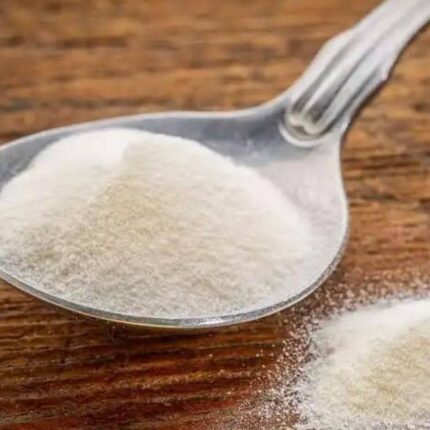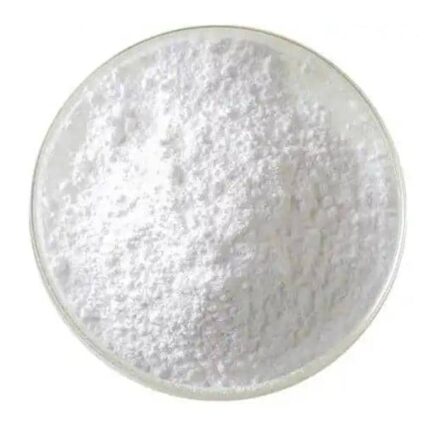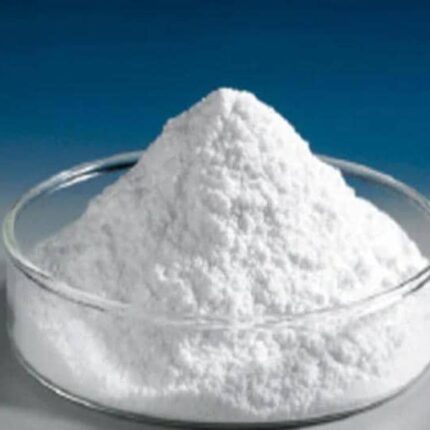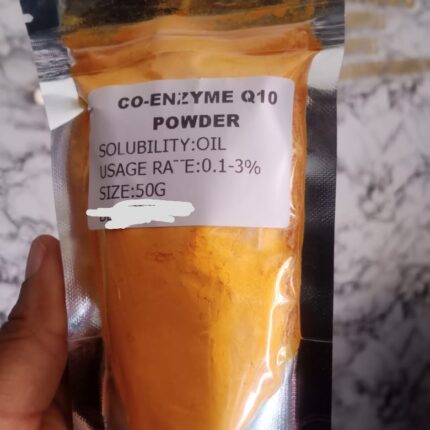
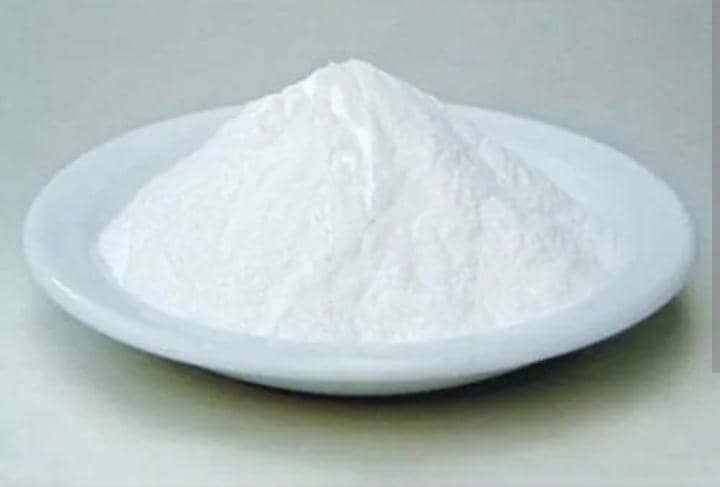
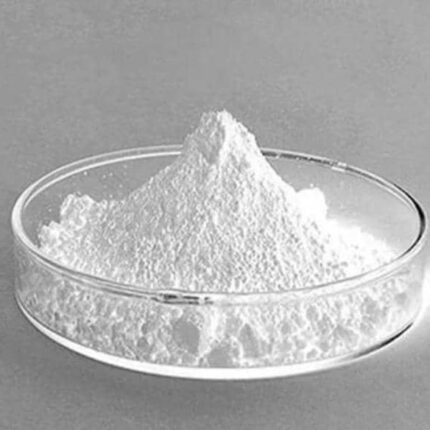
Azelaic acid is a carboxylic acid. It’s not an AHA or BHA. It can be found naturally in wheat, rye, and barley.
It has different benefits to the skin
It fights acne:
Azelaic acid has a great antibacterial effect. It works against multiple bacteria including the evil, acne-causing Propionibacterium acnes (P. acnes).
For acne treatment, 20% is the standard prescription strength choice. Comparing 20% azelaic acid to other acne treatments like 0.05% retinoic acid cream, 5% benzoyl peroxide cream or 2% erythromycin ointment azelaic acid still showed effective.
There is also a study that showed that 5% azelaic acid is also somewhat effective (about 32% improvement) and it can be made much more effective by combining it with 2% clindamycin (about 64% improvement.)
It fights inflammation:
Azelaic acid have an anti-inflammatory effect. This is cool not only for treating acne, but also for treating rosacea. 15% is the standard prescription strength dose for rosacea treatment.
Skin lightening benefit:
Azelaic acid also shows skin lightening properties. It seems to be especially effective for post-inflammatory hyperpigmentation (that often comes with acne) and melasma. Studies have compared 20% azelaic acid to 2% and 4% . Azelaoc was shown to be very effective. (Though interestingly azelaic acid did not seem to be effective for lightening age spots that are called solar lentigines.)
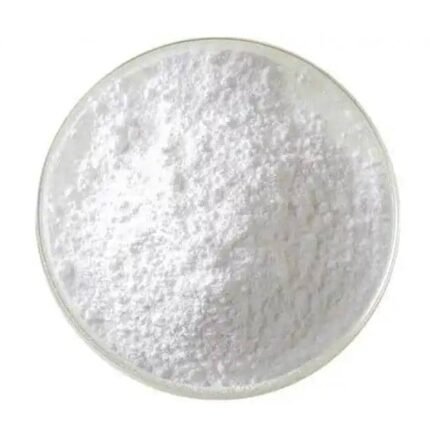
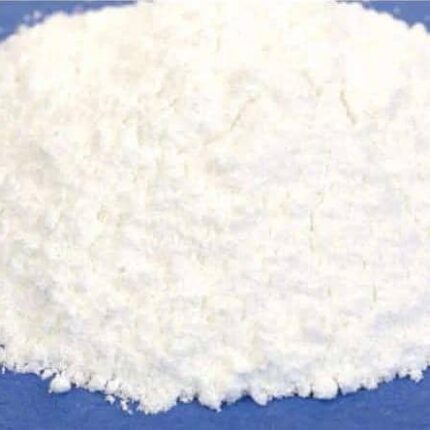
This is a highest purity pharmaceutical grade
Formulation Tips
Ensure you add antioxidant to prevent discoloration and oxidation of your active.
INCI Name: Azelaic acid
Product used: all kinds of products, lotions, creams, toners for lightening and antiaging benefits .
Usage rate÷ 1 to 20%
Solubility : Soluble in propylene glycol, Propanediol, alcohol. Not soluble in water and oil
Optimum ph: 3.5 to 7