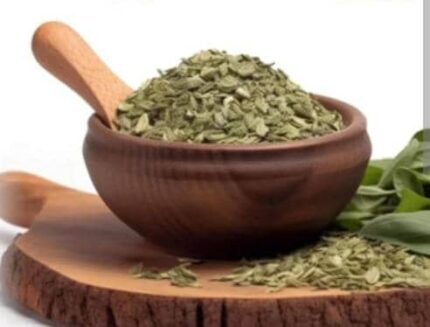
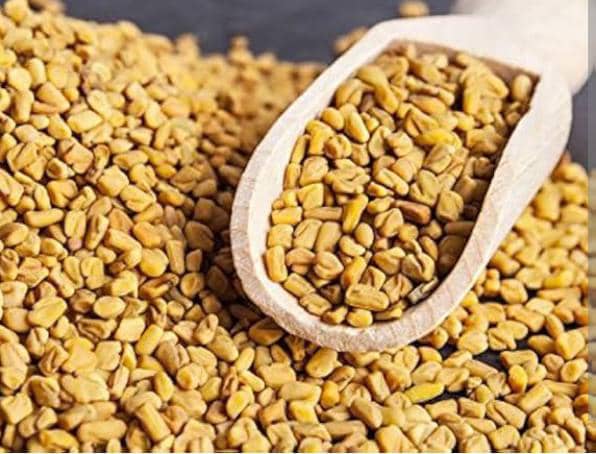
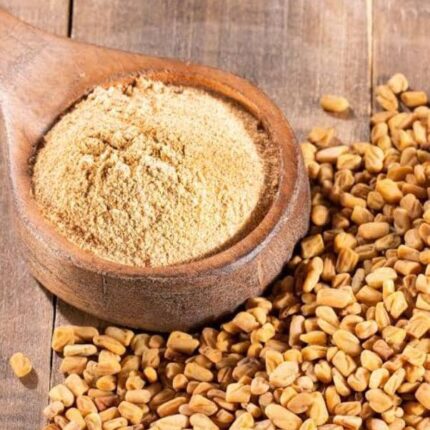
Fenugreek seed has many traditional and modern uses, including benefits for blood sugar control, lowering cholesterol, and increasing milk production in breastfeeding women. It is also valued for its anti-inflammatory properties and potential to improve male sexual health and testosterone levels. Traditionally, it has been used to help with menstrual cramps and various respiratory and digestive issues.
Health benefits
Blood sugar: Fenugreek appears to lower blood sugar levels by slowing sugar absorption in the stomach and stimulating insulin.
Cholesterol: It may help reduce cholesterol and triglyceride levels, which can improve heart health.
Breast milk production: It is a galactagogue, meaning it can help increase milk supply in breastfeeding women.
Male sexual health: Some research suggests it may improve testosterone levels, sexual function, and interest in sex.
Anti-inflammatory: Due to its high antioxidant levels, it may have anti-inflammatory effects.
Menstrual cramps: Taking fenugreek powder may help reduce the pain of menstrual cramps.
Digestive health: Traditionally used as a tonic or laxative, it may also help with constipation and is believed to help cleanse the lymphatic system.
How it’s used
As a supplement: It is commonly sold in capsule or extract form to be taken orally.
In food: The seeds can be used in cooking, spice blends, or as a flavoring agent.
Topically: Fenugreek paste or poultices can be applied to the skin to help with local pain, swelling, and wounds.
Important considerations
While research is promising, more studies are needed to confirm some of its health benefits.
It’s important to consult with a healthcare professional before using fenugreek, especially if you have an existing health condition or are taking other medications, particularly for diabetes or blood pressure.
Fenugreek can cause side effects like a maple syrup odor in sweat and urine.