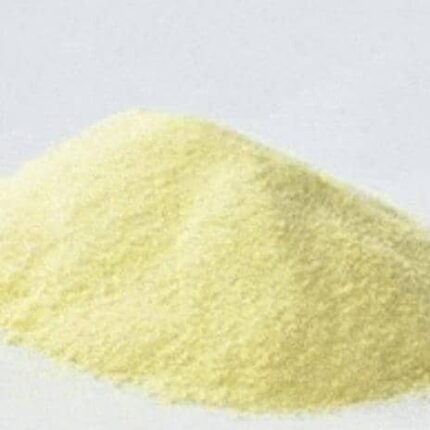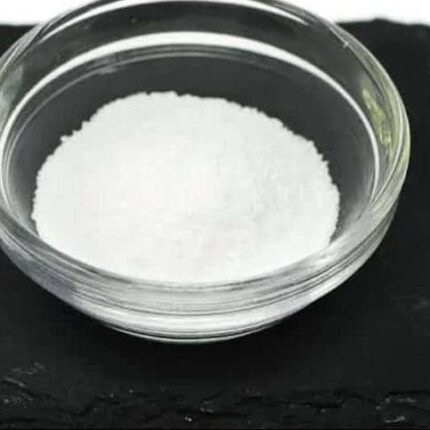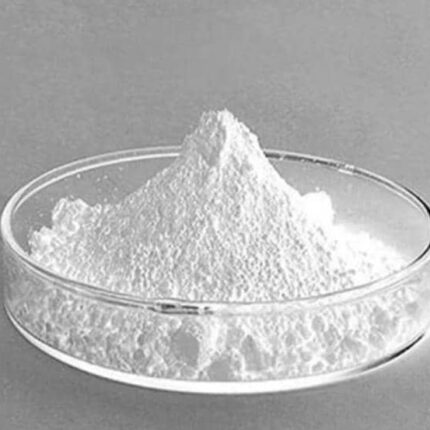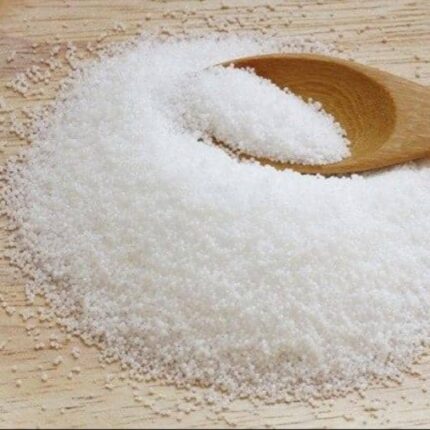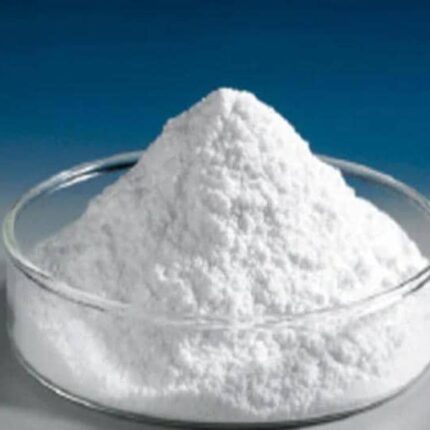
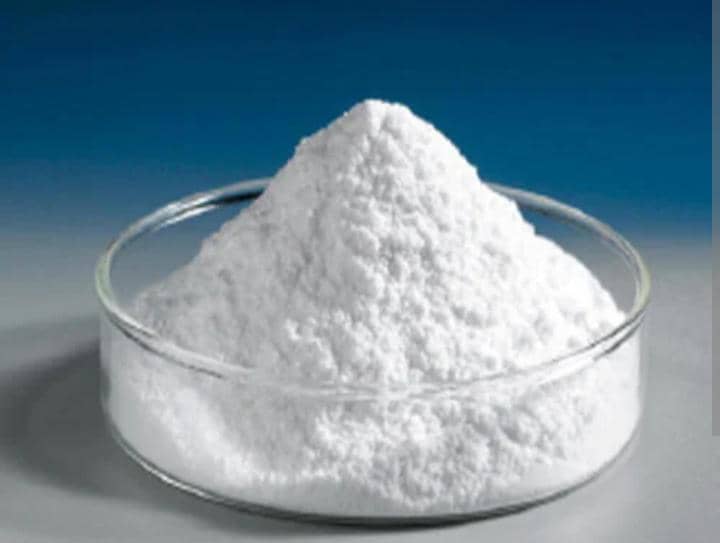
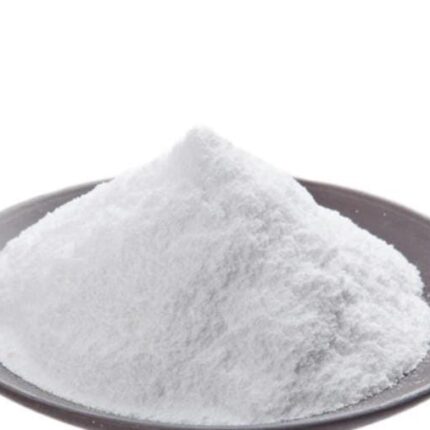
Baking soda, or sodium bicarbonate (\(NaHCO_{3}\)), is a versatile alkaline white powder used as a leavening agent in baking (reacting with acid to produce CO₂ for rise), a natural cleaner, deodorizer, and even an antacid. It’s a chemical compound that creates light, fluffy baked goods and can be activated by acids like lemon juice, buttermilk, or vinegar, but needs to be balanced with acid for proper flavor and texture.
Key Properties & Uses.
Leavening: Reacts with acids and liquid to release carbon dioxide, making dough/batter rise.
Cleaning: Mildly abrasive, excellent for scrubbing sinks, pots, pans, and deodorizing fridges, shoes, and carpets.
Health: Can neutralize stomach acid (antacid), but use in moderation due to high sodium. Also used in toothpaste for stain removal.Deodorizing: Absorbs odors effectively, keeping things fresh. How it Works in
Baking Activation: Needs an acidic ingredient (buttermilk, yogurt, vinegar, lemon juice, molasses) plus moisture to activate.
Reaction: Creates bubbles (CO₂) that expand when heated, resulting in a light texture.
Balance: Too much causes a metallic, bitter taste and discoloration; recipes must balance it with the acid.
How to Test if it’s Active (Optional) Mix 1/2 teaspoon of baking soda with 3 tablespoons of vinegar; it should bubble vigorously.