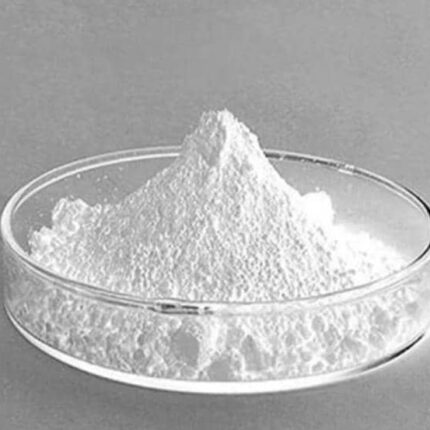

Clindamycin phosphate is a prescription-strength antibiotic used primarily to treat acne, bacterial vaginosis, and certain serious internal infections. When applied topically or injected, it acts as a prodrug that converts to active clindamycin in the body to stop bacterial growth and reduce inflammation.
Primary Uses
Acne Vulgaris: It helps clear acne lesions by fighting the bacteria (Cutibacterium acnes) responsible for clogged pores. It is usually prescribed as a 1% gel, lotion, foam, or solution.Bacterial Vaginosis:
Vaginal creams or suppositories are prescribed to treat bacterial infections in the vagina.
Severe Infections: Injectable forms are used in clinical settings to treat anaerobic bacterial infections of the lungs, skin, abdomen, and bones.
Common Side Effects:
When used on the skin, common side effects include dry skin, itching, redness, or a slight burning sensation.
Vaginal use may cause yeast infections.While rare for topical applications, systemic absorption can occasionally lead to severe intestinal conditions (like C. difficile-associated diarrhea). You should contact a doctor immediately if you experience persistent or bloody diarrhea.
Best Practices & TipsPreventing Resistance: When treating acne, dermatologists highly recommend combining clindamycin with benzoyl peroxide (or retinoids) to prevent the bacteria from developing antibiotic resistance.
Results Timeline: It typically takes 2 to 6 weeks to notice an improvement in acne, and up to 12 weeks for the full benefits.
Interactions: Topical creams containing mineral oil can weaken latex or rubber products, so caution is advised if using condoms or diaphragms during treatment.For more tailored information or to verify prescription instructions, consult your prescribing physician or search your local pharmacy via the Healthdirect Service Finder or equivalent local medical directories.
Solubility: water
Usage rate:1-2%