
Methyl salicylate, also known as oil of wintergreen, is a chemical compound with a sweet, minty smell, derived from wintergreen plants or synthesized, used in topical pain relief liniments, flavorings, and perfumes. It acts as a counter-irritant for muscle aches, converting to salicylic acid (like aspirin) in the body, but requires careful use to avoid skin irritation or systemic toxicity, especially in children or those with aspirin sensitivity, and should not be used with heat.
Key Characteristics
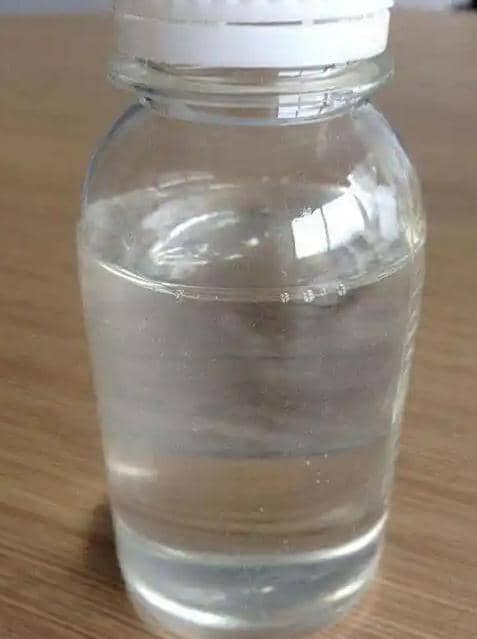
Appearance: Colorless viscous liquid.
Odor: Strong, sweet, minty, similar to wintergreen or root beer.
Formula: C₈H₈O₃.
Common Uses
Pain Relief: A rubefacient (increases skin warmth) and analgesic in liniments and creams for muscle and joint pain.
Flavoring: Used in small amounts in chewing gum, candies, and mints.
Fragrance: Adds fruity or sweet notes in perfumes.
Antiseptic: Found in some mouthwash.
Safety & Precautions
Systemic Risk: Can be absorbed through the skin; overdose is dangerous, especially for children, those with asthma, or aspirin allergies.
Skin Sensitivity: May cause irritation or rash.
Heat Avoidance: Do not use with heating pads, hot baths, or excessive sun, as this increases absorption and risk of severe reactions like tissue necrosis.
Drug Interactions: High doses may interact with blood thinners like warfarin.
How It Works
Applied topically, it’s hydrolyzed by skin enzymes into salicylic acid, providing anti-inflammatory and analgesic effects.
Usage rate: 0.5–5%:
For massage oils, balms and muscle rubs: commonly 1–5%
For soaps/body products: generally 0.5–2%, depending on the formulation.
It is oil-soluble and has a strong, characteristic wintergreen scent.