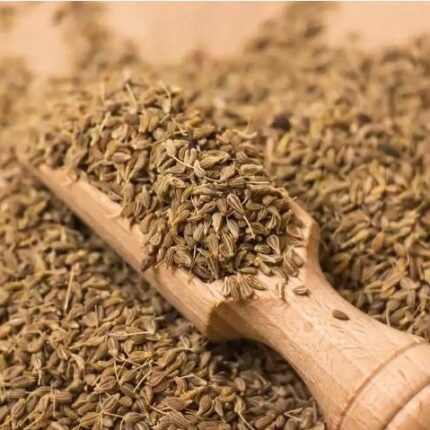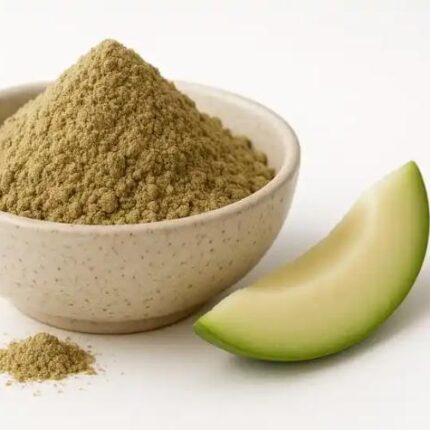
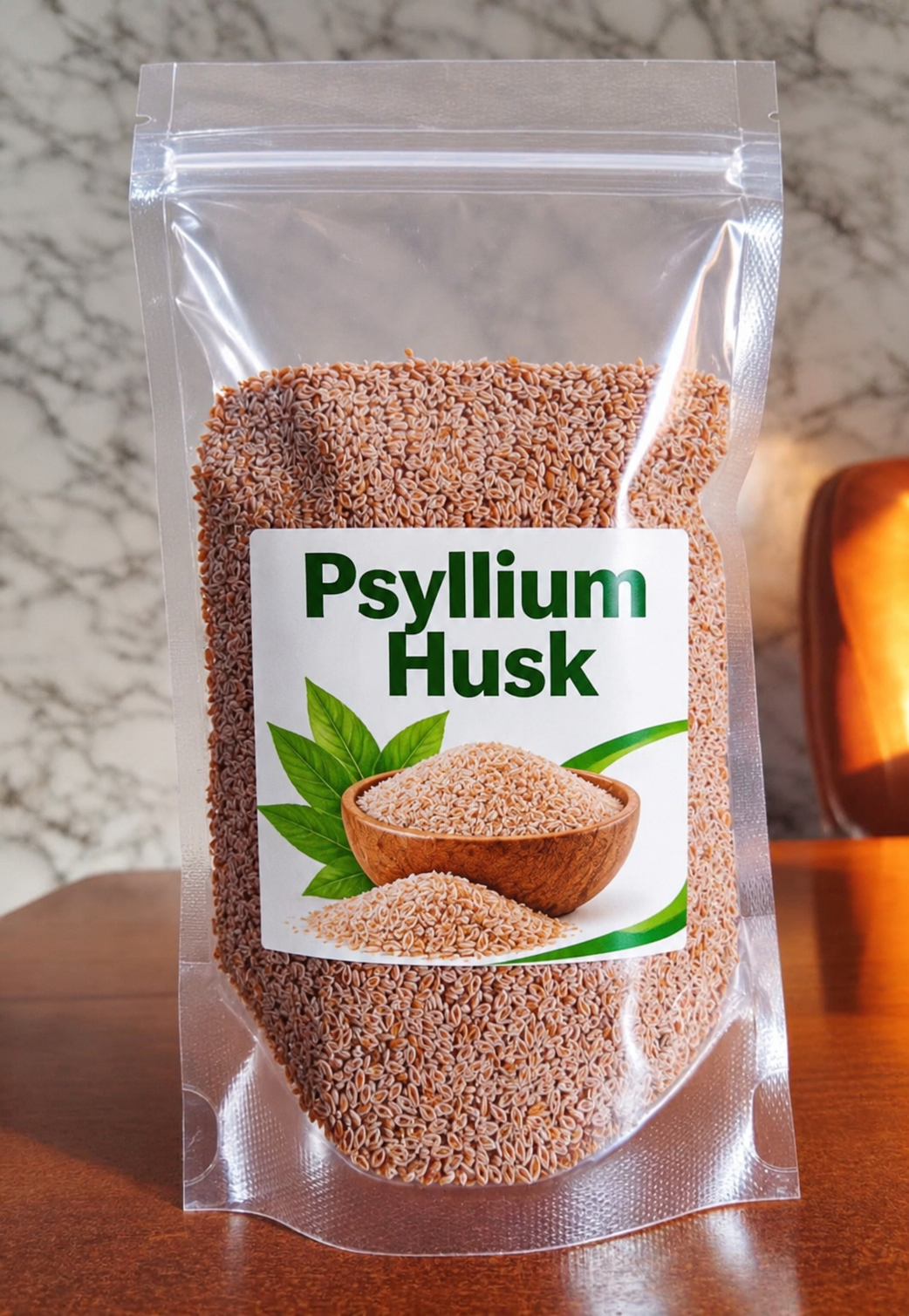

Psyllium husk is a soluble fiber made from the outer seed coating of Plantago ovata plants that absorbs water to form a gel in the digestive tract. It is commonly used to relieve constipation and mild diarrhea while supporting heart and metabolic health.
BENEFITS
(1)Bowel regularity: Softens hard stools in constipation and firms up loose stools or mild diarrhea.
(2) Blood sugar and cholesterol: Slows sugar absorption after meals and binds bile acids to help lower LDL cholesterol.
(3)Fullness and weight support: Expands with liquid to increase satiety when taken before or with meals.
(4)Gut microbiome: Acts as a prebiotic fiber that gut bacteria ferment into short-chain fatty acids.
HOW TO TAKE IT SAFELY
(1) Hydration is critical: Always mix psyllium with plenty of water (at least 8 oz / 240–250 mL per dose) and drink fluids throughout the day to prevent choking or bowel blockage.
(2) Start low and go slow: Begin with a small dose (such as ½ to 1 teaspoon or ~3–5 g daily) and gradually increase to reduce gas, cramping, or bloating. Typical daily intakes often range from 5 to 20 g depending on goals.
(3) Medication spacing: Take psyllium at least 2 hours before or after oral medications, as it can reduce their absorption.
(4) Precautions: Avoid use if you have swallowing difficulties, bowel obstruction, or a known allergy to psyllium. Consult a doctor first if you have diabetes, kidney disease, are pregnant or breastfeeding, or take regular prescription drugs.