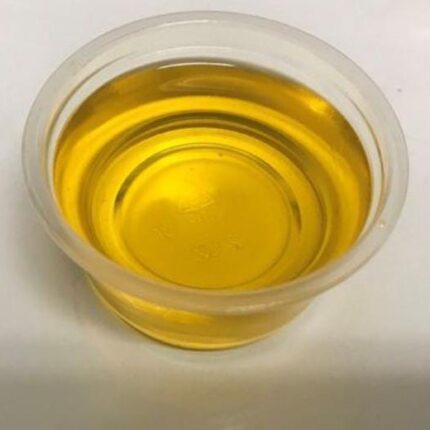
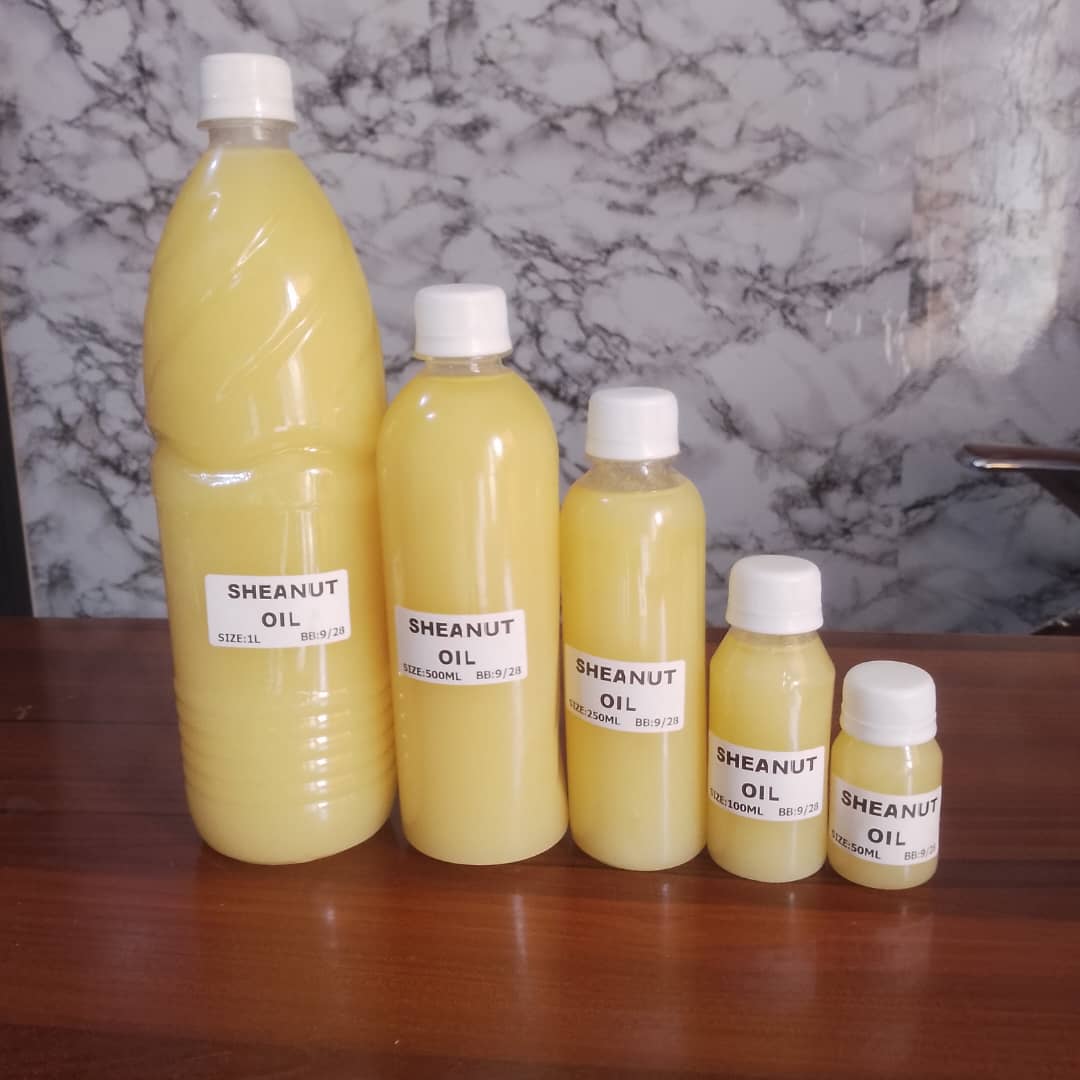

Shea oil is made by removing the solid compounds from shea butter through fractionation. The fractionation process changes the fatty acid composition in shea oil, with a reduction in stearic acid content and an increase in oleic acid content by approximately 10-15 percent respectively.
This modification in the chemical profile has important implications for the texture and therapeutic effect of shea oil. Stearic acid is a solid at room temperature and adds a waxy texture to products when used in topical formulations. It is beneficial in preventing surface water loss from the skin.
On the other hand, oleic acid is a monounsaturated fatty acid that is liquid at room temperature and has a lightweight, non-greasy texture. For topical applications, the higher oleic acid content renders shea butter oil more convenient as it melts into the skin and absorbs better than shea butter.
Additionally, shea oil has a milder scent that lacks the pronounced ‘nutty’ quality of shea butter. It is suitable for individuals who prefer subdued fragrances in self-care products.