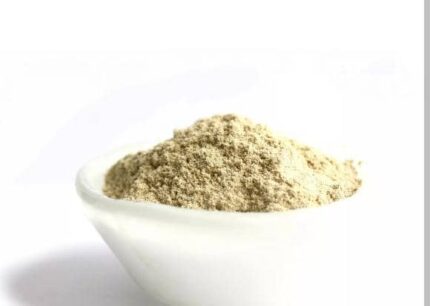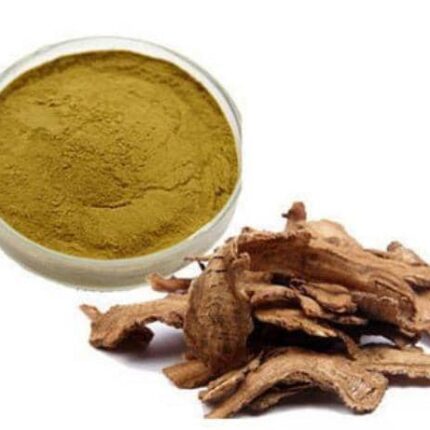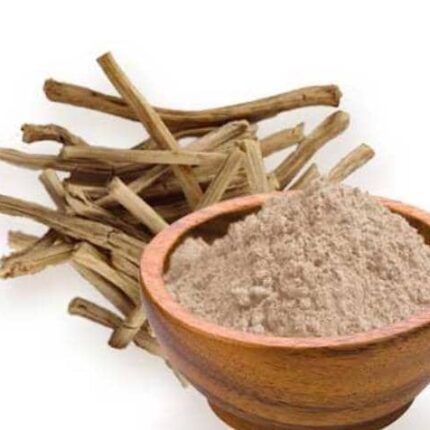
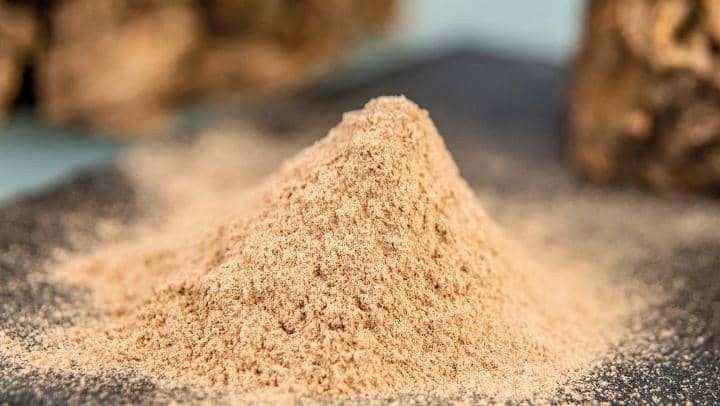
Slippery elm powder, derived from the inner bark of the Ulmus rubra tree, contains a gel-like substance called mucilage which is used traditionally to soothe irritated or inflamed mucous membranes in the digestive and respiratory tracts.
Key Benefits
Digestive Health: Slippery elm is widely used to coat and calm the lining of the stomach and intestines. It may help alleviate symptoms associated with various digestive issues, including:
Heartburn and Acid
Reflux (GERD): The mucilage forms a protective barrier against stomach acid.
Irritable Bowel Syndrome (IBS) and Inflammatory
Bowel Disease (IBD): It may help reduce irritation and inflammation in conditions like Crohn’s disease, ulcerative colitis, and diverticulitis.
Constipation and
Diarrhea: It acts as a bulking agent, helping to regulate bowel movements by absorbing excess water to relieve diarrhea or adding bulk and lubrication to ease constipation.
Stomach Ulcers and Gastritis: The protective coating may help shield against ulcers and excessive acidity.
Sore Throats and Coughs: As a demulcent, slippery elm can soothe and coat the throat and upper respiratory tract, providing relief from pain, irritation, and coughing associated with ailments like bronchitis.
Skin Care and Wound Healing: When mixed with water to form a paste or poultice, it can be applied topically to soothe minor wounds, burns, skin inflammation, and cold sores. Its properties help to reduce inflammation and may aid healing.
Urinary Tract Health: Traditionally, it has been used to address inflammation in the urinary tract and bladder.